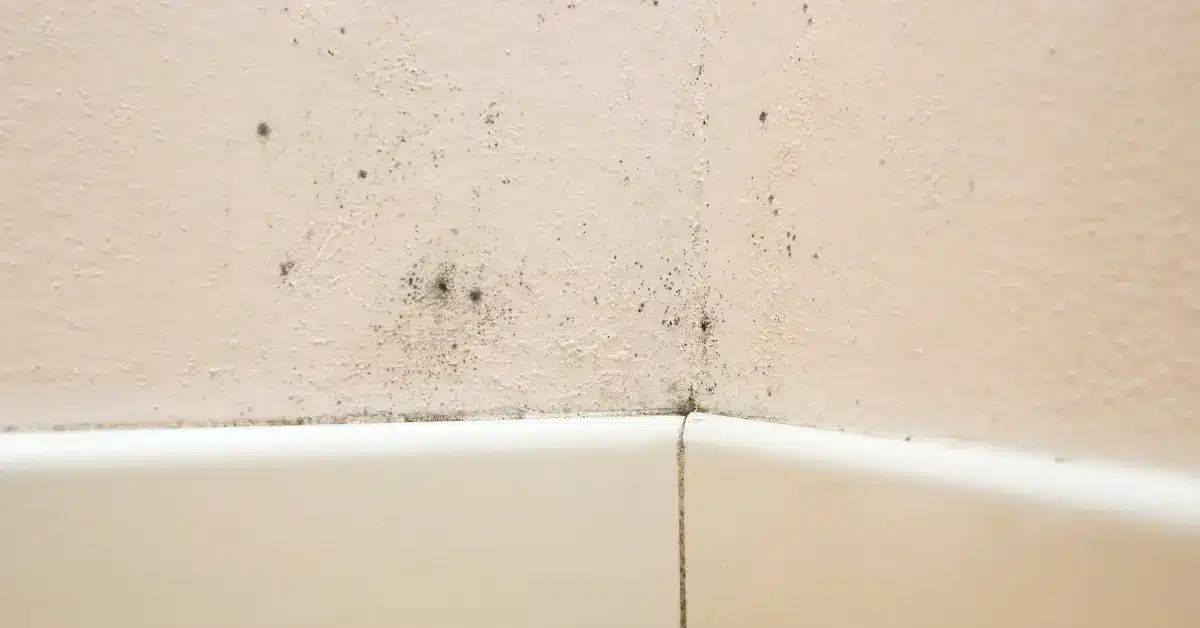
When Mold Coverage Is Typically Denied
Here's the hard truth. Most homeowner policies in California don't cover mold caused by neglect. Insurance companies want to see a sudden, accidental event. A pipe bursts, a water heater fails, a washing machine hose splits. Those are covered losses. But mold that grows slowly over months? That's a different story, and adjusters know how to spot the difference.
We've walked into homes near Fremont's Niles district where the mold looked identical from one house to the next. But the claim outcome was totally different. Why? One homeowner reported the leak within days. The other had a slow drip under the sink for six months before anyone noticed. Insurers call that second one "long-term seepage," and it's almost never covered.
Common reasons carriers deny mold claims in California include:
- Gradual leaks that went unreported for weeks or months
- Poor maintenance, like a clogged gutter causing repeated water intrusion
- Pre-existing mold that started before the policy took effect
- Flood-related mold, since standard policies exclude flood water entirely
- High humidity or condensation buildup with no sudden cause
And that flood exclusion trips up a lot of Fremont homeowners. If mold shows up after storm water or rising groundwater got into a crawlspace, your regular policy likely won't touch it. That's a separate flood policy issue, not a standard homeowner claim.
So what makes an adjuster say yes instead of no? Documentation, mostly. We've seen claims get approved simply because the homeowner had solid proof of when the water event happened and how fast they acted.
This is where fieldwork matters. When we inspect a property, we take moisture meter readings, thermal imaging photos, and note the source of intrusion. We also send samples to an independent lab so you have real numbers, not guesses. That paperwork can be the difference between an approved claim and a denied one.
To be clear, we don't handle mold claims directly with your insurance company. What we do is build the documentation your adjuster needs to make a fair decision. That's a service we've offered since we started in 2012 as a locally owned company, and it comes from watching too many homeowners get denied over a missing photo or a vague timeline.
One more thing. Bay Area homes, especially older ones with crawlspaces near Fremont's flatland neighborhoods, tend to hold moisture longer because of the region's cool, damp mornings. That doesn't cause automatic denial, but it does mean adjusters look closer at maintenance history in these areas.
If you're staring at a mold problem and wondering whether your policy will help, don't wait to find out the hard way. Call us at (510) 394-1606 for a free inspection. We're available 24/7, our response time is 60 minutes, and we're an IICRC Certified Firm. We'll walk the property, document what we find, and give you honest options based on what happened.
What to Document Before Filing a Mold Claim
Mold Insurance California claims live or die on paperwork. Insurance adjusters don't see your crawlspace or your bathroom ceiling. They see what you send them. So the more you document, the stronger your claim looks from day one.
We've walked into a lot of Fremont homes after a slow leak turned into a mold problem. The owners who had photos and notes got faster answers. The ones who didn't? They spent weeks going back and forth with their adjuster.
Here's what matters when you're building your file:
- Photos of the source. Snap the leaking pipe, the water stain, the damp drywall. Get wide shots and close-ups.
- Photos of the mold itself. Show color, size, and where it's spreading. Date the images if your phone allows it.
- A written timeline. When did you first notice water? When did mold show up? Small details help adjusters connect the dots.
- Repair records. Any plumber visits, past leak fixes, or maintenance receipts tied to the area.
- Air quality testing results. An independent lab report gives you real numbers, not guesses.
- Mold testing samples. Surface swabs or air samples show what type of mold you're dealing with and how bad it is.
- Contractor estimates. A written scope of work for mold remediation and any structural repairs after water damage.
Some homeowners think a few phone pics are enough. They're not. Adjusters want dates, measurements, and lab numbers, not just "it looked bad."
One Fremont client had a slow leak under a kitchen sink for months. By the time she called us, mold had spread into the cabinet base and part of the flooring. Because she'd kept her plumber's invoice from an earlier repair, we could show the leak started before the policy renewal. That single receipt changed how her claim was reviewed.
We should be clear about one thing. We help with mold insurance by gathering documentation, not by billing your mold claim directly. That means we handle the mold inspections, mold testing, and written reports. You send those to your insurance company. It's a team effort, and it works best when you start building your file early instead of after a denial letter shows up.
A few practical tips from years of fieldwork:
- Keep everything in one folder, digital or paper
- Never paint over or clean visible mold before photos are taken
- Ask your contractor for a report that includes moisture meter and thermal imaging readings, not just a summary
Older homes near Niles and Centerville often have crawlspaces that trap moisture for months before anyone notices. If your home is older, check under sinks and behind appliances more often. Small leaks turn into big mold claims fast.
If you're not sure what documentation you need, don't guess. We offer a free inspection and can walk your property with moisture meters and a trained eye. That visit alone often gives you the starting point your claim needs. Call us anytime at (510) 394-1606. We're a locally owned company since 2012, IICRC Certified, and we answer 24/7 with a 60-minute response time for emergencies.
Why Acting Fast Changes the Outcome of a Mold Claim
Mold insurance claims in California almost always come down to one thing: timing. The longer you wait to report water damage or mold growth, the harder it gets to prove your insurance company should pay. We've seen homeowners in Fremont lose coverage over a two-week delay. That's not an exaggeration.
Here's why speed matters so much. Most homeowner policies only cover mold that comes from a "sudden and accidental" water event, like a burst pipe or a supply line failure. But mold itself grows fast. Under the right conditions, it can start within 24 to 48 hours after water hits drywall or wood, according to the EPA. So if you wait a week to call anyone, the insurance adjuster can argue the mold grew because of neglect, not the original leak. And once they make that argument, your claim gets a lot weaker.
We had a case last year in a Fremont home near Central Park. A slow leak under a kitchen sink went unnoticed for about ten days. By the time the homeowner called us, mold had spread into the cabinet base and up into the drywall. The water damage itself would have been covered without much fuss. But because so much time passed, the insurance company pushed back hard on the mold portion of the claim. We still helped document everything, but it was a tougher conversation than it needed to be.
What Fast Action Protects
Acting within the first 24 to 48 hours protects a few key things in your claim:
- It supports the "sudden and accidental" argument insurers look for
- It limits how far mold spreads, so the repair scope stays smaller
- It creates an early paper trail with photos, moisture readings, and dates
- It shows you acted responsibly, which matters to adjusters
That paper trail is often the difference between a smooth claim and a denied one. Moisture meters and thermal imaging cameras can show exactly where water traveled, even behind walls you can't see into. That kind of documentation, gathered early, backs up your story with real data instead of guesses.
So what should you do the moment you spot a leak or notice a musty smell? Don't wait to see if it dries out on its own. Don't try to clean it yourself with bleach and hope for the best either. That can destroy evidence your insurance company needs to see.
Call for a free inspection right away. We answer 24/7, and we can usually get someone out to your home within 60 minutes for emergency situations. As an IICRC Certified Firm, we know what adjusters expect to see in mold and water damage documentation. We're not a public adjuster and we can't file your claim for you, but we can give you photos, moisture readings, and a written report that supports what you tell your insurance company.
Every home is different, and every claim situation is a little different too. Some folks want us to start drying things out the same day. Others want to wait for adjuster approval first. We'll walk you through the options and let you decide what fits your budget and your timeline. Locally owned since 2012, we've handled enough of these situations to know that speed protects your claim, but it shouldn't cost you your peace of mind.
If you're dealing with a leak right now, don't sit on it. Call (510) 394-1606 for a free inspection before the mold has a chance to grow.
Frequently Asked Questions
How do I know if my mold problem will be covered by insurance?
Your mold problem is more likely covered if it came from a sudden event, like a burst pipe or a failed water heater. Insurers usually deny claims tied to slow leaks or long-term moisture. The key is timing and proof. If you noticed water quickly and reported it fast, your odds improve. If the leak sat for weeks or months, adjusters often call it neglect. A professional inspection can help you understand which category your situation falls into before you file.
What's the difference between a covered leak and a denied mold claim in California?
A covered leak is sudden and accidental, like a burst pipe. A denied mold claim usually involves gradual water intrusion, like a slow drip under a sink that went unnoticed for months. California insurers call this second type long-term seepage, and it's almost never covered. Poor maintenance, clogged gutters, and pre-existing mold also fall into the denial category. Knowing this difference early helps you document things correctly from the start.
Does flood water in a crawlspace count as a mold insurance claim in California?
No, flood-related mold is not covered under a standard homeowner policy. Standard policies exclude flood water entirely, so mold that grows after storm water or rising groundwater gets into a crawlspace needs a separate flood policy. This trips up a lot of homeowners who assume any water damage counts the same way. If you're unsure which category your situation falls into, a documented inspection can clarify things before you file anything.
Why do older homes near Niles and Centerville have more mold insurance issues?
Older homes near Niles and Centerville often have crawlspaces that trap moisture for months before anyone notices. Fremont's cool, damp mornings add to this, especially in flatland neighborhoods with aging plumbing. That doesn't cause automatic denial, but adjusters do look closer at maintenance history in these homes. If you own an older property in this area, checking under sinks and behind appliances often can help you catch problems before they become bigger claim issues.
Is it a mistake to clean mold before filing an insurance claim?
Yes, cleaning or painting over mold before photos are taken is one of the biggest mistakes homeowners make. Adjusters need to see the mold as it was found, not after cleanup. Once it's gone, so is your visual proof. Always photograph the source, the mold itself, and any water stains first. The documentation checklist above walks through what adjusters expect to see.
Should I hire someone to document mold damage or handle it myself?
You should bring in a professional if you're planning to file a claim, since adjusters want measurements and lab numbers, not just photos. A trained inspector can use moisture meters and thermal imaging to show exactly when and how water entered your home. Homeowners who try this alone often end up with weak documentation and slower claim responses. A free inspection can give you a stronger starting point than guessing on your own.
Document It Before You File
A strong mold claim starts with proof. One Call Services has served Fremont since 2012. We are locally owned, bilingual, IICRC Certified, and available 24/7 with a 60-minute response time.
Get Your Free Inspection Today: (510) 394-1606

