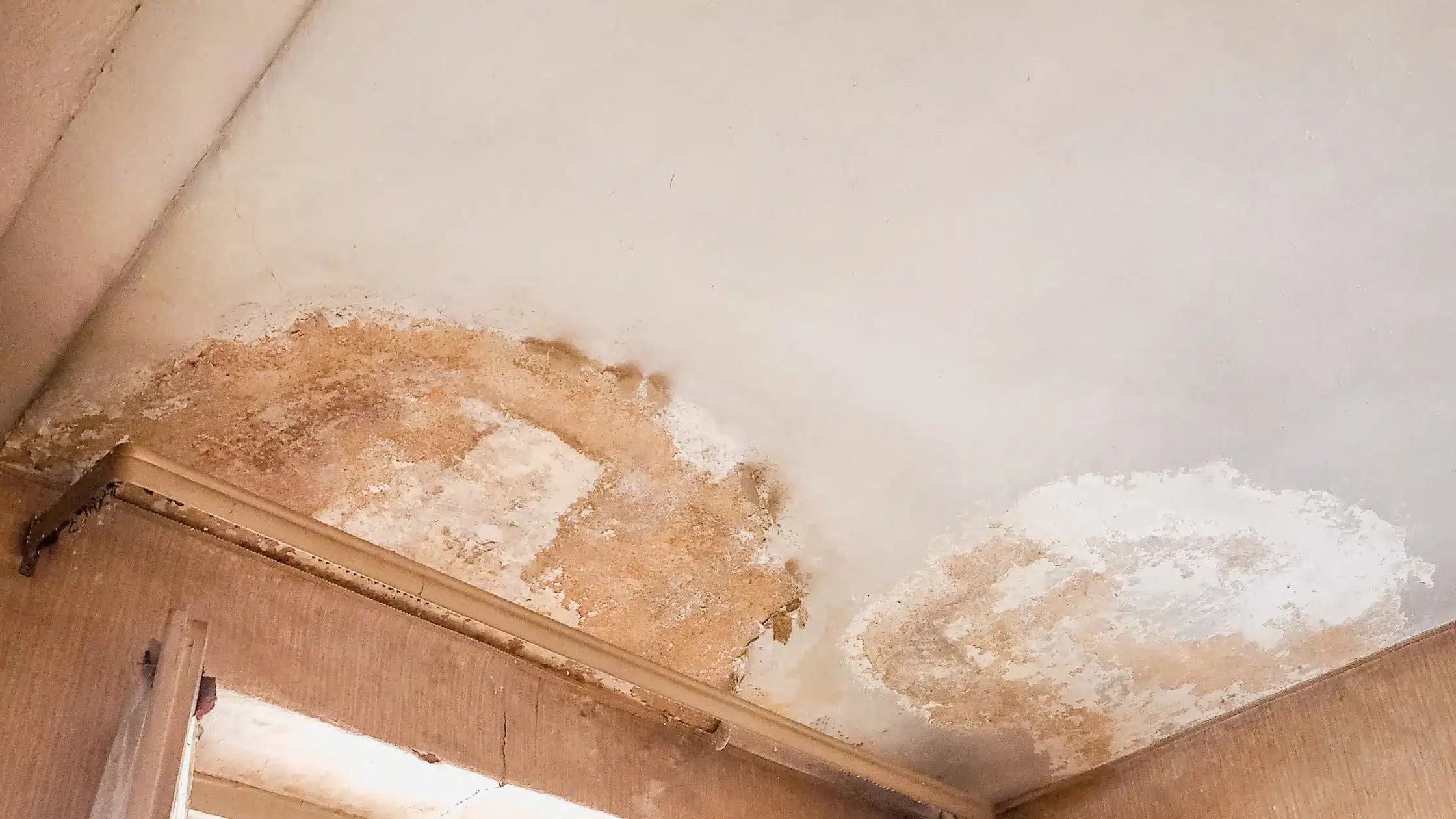
What Moisture Mapping Is (And Why Eyes Alone Miss It)
Moisture mapping hidden water damage is how we find water in your walls, floors, and ceilings before it turns into a bigger problem. We use tools that "see" moisture your eyes can't catch. It sounds simple. But it's the most important step in any water damage job we do in Fremont.
Here's the thing about water. It doesn't stay where it lands. A pipe leak in an upstairs bathroom can travel through a wall cavity and show up three rooms away. We've walked into Fremont homes near Mission San Jose where the owner pointed at one small ceiling stain, and our meters told a very different story, wet drywall running twenty feet in both directions.
So how do we map it? We use a few tools together, not just one.
- Moisture meters that touch the surface and give us a reading right there on the spot.
- Thermal imaging cameras that show temperature differences, wet materials usually read cooler than dry ones nearby.
Put those together and you get a real picture. Not a guess.
Why can't you just look at a wall and know? Because drywall, paint, and wood can all look totally fine while soaked through underneath. Most people don't realize this until it's too late, usually when a bubble in the paint finally shows up, or worse, when mold starts growing behind a wall that looked dry for weeks. By that point the damage has already spread.
We see this mistake all the time. A homeowner dries the visible spot with a fan, thinks the job is done, and moves on. But the framing behind that spot stayed wet. Wood soaks up water slowly and releases it just as slow, sometimes over days. Without a meter reading, there's no way to know if a stud is at 12% moisture or 40%. And that gap is the difference between a quick dry-out and a full wall replacement.
Fremont's older homes, especially some of the properties near Niles and Centerville, often have plaster or older drywall types that hide moisture even longer than newer materials. That makes mapping even more useful here, not less.
Think of moisture mapping like an x-ray for your house. A doctor wouldn't guess about a broken bone just by looking at bruised skin. Same idea here. We're not guessing about your walls either.
This is also why we don't rush the inspection part of any job. Rushing means missing something, and missing something means the water damage comes back later as mold or rot. A proper map tells us exactly which materials need to come out and which ones can be dried and saved. That saves you money and keeps repairs to what's necessary, not more, not less.
If you're dealing with a leak, a flood, or just a suspicious stain on your ceiling, this step matters more than almost anything else we do.
How Professionals Find Water Damage Behind Walls and Under Floors
Water doesn't stay where it lands. It runs downhill, soaks into wood, and hides behind drywall long before you ever see a stain. That's why we don't guess. We use tools built to find moisture you can't see, and we map out exactly where it's traveled.
Most Fremont homes we visit have the same problem. A pipe leaks near the kitchen, but by the time someone notices a soft spot in the floor, the water has already traveled ten feet under the cabinets. Or a roof leak during a winter storm shows up as a ceiling stain in the hallway, far from where the water got in. Moisture moves along framing, pipes, and subfloor seams. It follows gravity and gaps, not straight lines.
Here's how we track it down, step by step:
- We start with a visual walk-through, checking baseboards, ceilings, and flooring for warping or discoloration.
- We use moisture meters to test walls, floors, and framing at multiple points, not just where damage looks obvious.
- We bring in thermal imaging cameras to spot temperature differences that hint at trapped water behind surfaces.
- We mark and record every wet reading, building a simple map of the affected area.
- We check nearby rooms and floors below, since water almost always travels further than expected.
- We compare readings to dry baseline areas, so we know exactly where damage stops.
This process is called moisture mapping hidden water damage, and it's the difference between guessing and knowing. Thermal imaging shows us cooler or warmer patches in walls and ceilings that often mean wet insulation or soaked drywall underneath. It doesn't see through walls exactly, but it flags the spots worth testing with a moisture meter. The two tools work together. One finds the suspect area, the other confirms it.
We had a job last year in a Fremont home near Central Park where the owner thought the damage was just under one window. Turned out the leak had been running along a wall plate for months. Our meters picked up moisture almost eight feet away, behind a closet the owner never suspected. Without mapping it out, that crew would have cut open one wall and missed the real problem completely.
So why does this matter for you? Because cutting into walls or floors without a map means guessing, and guessing costs money. And most homeowners don't realize how far water can travel until they see the readings on a meter. That's the moment it clicks.
We're an IICRC Certified Firm, and every tech we send out is trained to read these tools correctly. Meters and cameras only help if the person using them knows what normal looks like versus what's wet. That training is what separates a real inspection from someone waving a device around for show.
If you're dealing with a stain, a musty smell, or just a hunch something's wrong, don't wait for it to spread further. We offer a free inspection and can usually get someone to your door in 60 minutes, day or night. Call us at (510) 394-1606 and we'll walk you through what we find.
Signs That Suggest Hidden Moisture, And Why They're Not Enough
Most Fremont homeowners find out about a leak because something looks off. A stain on the ceiling. A musty smell in the hall closet. Paint that's bubbling near the baseboard. These clues matter, and we always ask about them first. But here's the thing we've learned after years of doing this work in Fremont homes: what you can see almost never matches what's wet.
A dark spot on drywall might be the size of a dinner plate. Behind that wall, the wet area could stretch three feet in every direction. Water doesn't sit still. It moves along studs, follows gravity down wall cavities, and pools in spots you'd never guess by just looking at the surface.
So what should you watch for? Here are the common warning signs we hear about most often on service calls around Fremont:
- A musty or earthy smell that comes and goes, especially near bathrooms or laundry areas
- Soft or spongy spots in flooring, particularly hardwood or laminate near exterior walls
- Peeling paint, bubbling drywall, or discoloration that seems to appear out of nowhere
- Higher-than-normal humidity in one room compared to the rest of the house
- A recent leak, overflow, or storm event, even if it seemed minor at the time
Any one of these is worth taking seriously. And if you're noticing two or three at once, that's a bigger flag.
Here's a scenario we run into a lot. A homeowner near Central Park in Fremont calls us about a small stain in the ceiling below an upstairs bathroom. They figure it's a quick patch job. But when we bring in a moisture meter and check the surrounding area, we find damp subfloor extending several feet past the visible stain, plus early moisture in the wall cavity below. The stain was just the tip of it.
This is exactly why visible signs aren't enough on their own. A stain tells you water got there once. It doesn't tell you if the area is still wet. It doesn't tell you how far the moisture traveled, or whether it's sitting inside a wall cavity right now feeding mold growth you can't see or smell yet.
We've walked into homes where the homeowner swore everything was dry because the stain had faded. Meanwhile, our moisture meter told a different story completely. That gap between what you see and what's happening is the whole reason moisture mapping exists.
Guessing at the size of a problem almost always costs more later.
Think about it this way: would you trust a doctor to diagnose an injury just by looking at the skin, without ever checking what's happening underneath? Visible signs are a starting point, not a diagnosis. They tell you where to look. They don't tell you how bad it is, how far it's spread, or what's driving it.
That's the gap moisture mapping is built to close. Instead of guessing based on stains and smells, we use tools like moisture meters and thermal imaging to find the actual boundaries of the wet area. If you're seeing any of these signs in your Fremont home, it's worth getting a real answer instead of a guess.
Frequently Asked Questions
How can I tell if I have hidden water damage without tearing into walls?
You can't always tell just by looking, and that's the problem. Warped floors, peeling paint, or a musty smell are hints, but they don't show how far water has spread. Moisture meters and thermal cameras find wet spots behind drywall and under flooring without any cutting. That's exactly why moisture mapping matters before any repair starts. If you notice a stain or smell, it's worth getting a proper check rather than guessing at the source.
What's the difference between a moisture meter and a thermal imaging camera?
A moisture meter touches the surface and gives an exact reading, while a thermal camera scans for temperature changes without touching anything. Wet materials usually read cooler than dry ones nearby, so the camera flags areas worth testing. Then the meter confirms how wet that spot is. Using both together gives a clearer picture than either tool alone. That combination is a core part of how moisture mapping hidden water damage works in Fremont homes.
Should I dry a wet spot myself or call a professional?
A fan can dry the surface, but it usually can't reach water soaked into framing or subfloor. Wood absorbs and releases moisture slowly, so a stud can still read wet weeks after the surface looks fine. That hidden moisture is what leads to mold or rot later. If the leak was small and you caught it fast, drying the surface may be enough. Anything beyond a quick spill deserves a moisture check from a trained tech, not just a guess.
Why do older Fremont homes seem to hide water damage longer?
Older homes near Niles and Centerville often have plaster walls or older drywall that mask moisture longer than newer materials. These surfaces can look dry for weeks while the material underneath stays soaked. That delay gives mold more time to start before anyone notices a problem. Homes built with these older materials benefit even more from a proper moisture map, since eyes alone can't catch what's happening behind the wall.
Can a musty smell mean water damage even without visible stains?
Yes, a musty smell often shows up before any stain appears on the surface. That smell usually means moisture has been sitting somewhere for a while, often long enough for mold to start forming. Many Fremont homeowners wait for a visible mark before calling anyone, but the smell alone is a strong enough reason to check. A proper moisture map can locate the source before it spreads further through walls or flooring.
How far can water travel from where a leak starts?
Water can travel much farther than most people expect, sometimes ten feet or more from the original leak. It moves along framing, pipes, and subfloor seams instead of straight down. We've measured wet readings eight feet away from a stain in Fremont homes near Central Park, hidden behind a closet wall. That's why a full check matters more than patching one visible spot. Getting a proper moisture map is a key first step toward complete water damage restoration in Fremont.
Find the Water Before It Finds You
A stain shows you where water landed, not where it went. One Call Services has served Fremont since 2012. We are locally owned, bilingual, IICRC Certified, and available 24/7 with a 60-minute response time.
Get Your Free Inspection Today: (510) 394-1606

