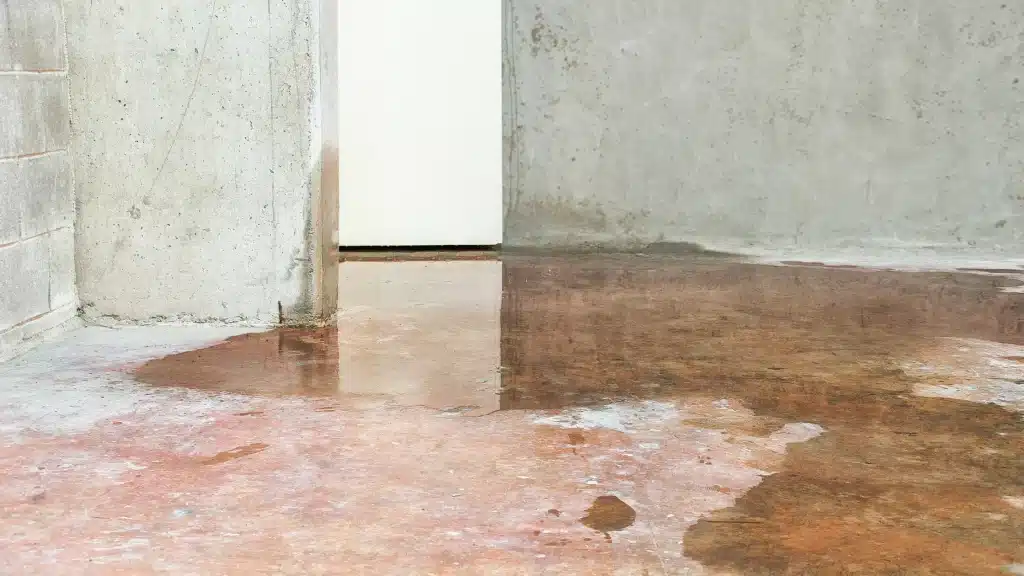
What Really Happens in the First 24 Hours After Water Damage
Water doesn't wait. The moment a pipe bursts or a water heater fails in your Fremont home, a clock starts ticking. What you do in the next 24 hours decides how much damage sticks around, and how much it costs to fix later.
We've walked into homes near Central Park where a small leak turned into soaked drywall and swollen baseboards in under a day. And we've seen the opposite, where a homeowner called fast and we caught things before they spread. The difference is almost always speed.
Here's what happens, hour by hour, once water hits your floor:
- Minutes 1-30: Water spreads across floors and starts soaking into carpet, baseboards, and drywall. Gravity pulls it toward the lowest point in your home, so crawlspaces take the worst hit first.
- Hours 1-4: Wood floors start to swell. Drywall wicks water upward like a sponge. If the water source is dirty, like a sewage backup, bacteria are already multiplying.
- Hours 4-12: Furniture legs stain carpet and flooring. Metal fixtures start to tarnish. The air feels heavier, humidity climbs fast in enclosed rooms.
- Hours 12-24: This is when mold spores that were already present in the air start finding a home. Damp drywall and wet insulation are perfect breeding spots. Musty smells often show up right around this point.
- Hours 24-48: Without proper drying, mold growth can become visible. According to the EPA, mold can begin growing within 24 to 48 hours in the right conditions.
So why does this matter so much for a house in Fremont specifically? Our winters bring steady rain, and a lot of homes here have older plumbing or crawlspaces that trap moisture longer than newer builds. We see this mistake all the time, people wait a day or two to "see if it dries out on its own." It rarely does.
Think about a typical scenario: a washing machine hose fails overnight in a home near Warm Springs. The homeowner doesn't notice until morning. By the time anyone calls for help, water has already traveled under the flooring and into a shared wall. What could've been a simple extraction and dry-out job turns into a drywall repair and flooring repair situation too.
That's the real cost of waiting, not just the water itself, but everything it touches on the way through your home.
Every hour without proper water removal and structural drying raises the risk of hidden moisture pockets. Moisture meters and thermal imaging can find these pockets behind walls and under floors, spots you'd never spot with the naked eye. But that only works if drying starts fast, while the water is still manageable.
We're a locally owned company here in Fremont since 2012, and we've built our whole response system around this first-day window. Our crews aim to reach you within 60 minutes, day or night, because we know what those hours mean for your home.
Immediate Steps to Take Right Now
The first hour after a pipe bursts or a water heater fails sets the tone for everything that follows. Your response in the first 24 hours after water damage isn't about panic. It's about doing a few smart things, in order, before the water spreads further into your Fremont home.
Turn off the water source first. Sounds obvious, but we get calls all the time from folks who spent twenty minutes mopping before shutting the valve. If it's a burst pipe, find the main shutoff. If it's an appliance, like a washing machine or dishwasher, shut off the valve behind it. Can't find the shutoff? Cut power to the water heater or affected appliance at the breaker box instead.
Next, think about your own safety before your stuff. Standing water near outlets is dangerous. So is a ceiling that's sagging from water weight above it. We've walked into homes near Niles and Centerville where a soaked ceiling looked fine one hour and caved in the next. If a ceiling is bulging or dripping steadily, stay out of that room and keep kids and pets away too.
Here's a simple order of steps we tell every Fremont customer over the phone, before we even arrive:
- Shut off the water source or power to the appliance causing the leak.
- Move people, pets, and valuables away from the wet area.
- Take photos and short videos of the damage for your insurance file.
- Remove small items like rugs, furniture legs, and electronics from standing water if it's safe to do so.
- Open windows if the weather allows, to start air moving through the space.
- Call a water damage crew that can respond fast, ideally within the hour.
Don't try to vacuum standing water with a household vacuum. And don't run a fan directly on a wet carpet expecting it to dry evenly. Most home fans just push moisture into walls and baseboards instead of pulling it out. That's a mistake we see all the time, and it usually costs more to fix later than it would have to call someone right away.
What about your belongings? Boxes, papers, and photos sitting in a few inches of water won't survive long. Grab what you can safely reach in the first few minutes, but don't wade into deep water or touch anything near an outlet. A soggy box of photos can wait five more minutes. Your safety can't.
One more thing worth saying plainly: category matters here. Clean water from a supply line is very different from water that's touched a sewer line or flooded from outside. If there's any chance the water is contaminated, treat everything it touched as a hazard until a pro checks it out.
We've been handling these calls in Fremont since 2012, and the pattern is always the same. Homes that get a crew out fast, usually within 60 minutes of the call, end up with less drywall cut out and fewer floors replaced. Homes that wait a day lose more. It's just how water works. It doesn't stop moving until something stops it.
If you're standing in water right now, call us at (510) 394-1606. We answer 24/7, and we'll walk you through next steps before we even get there.
How Fast Mold Grows After Water Damage
Mold doesn't wait around. Most mold spores start growing within 24 to 48 hours after a surface gets wet, according to the EPA. That's not a scare tactic, it's just how mold works. Spores are already floating in your home's air right now, they just need moisture and something to land on.
We've walked into Fremont homes on day three of a leak and found mold already climbing up drywall. The homeowner always says the same thing: "It's only been a few days." But a few days is plenty of time when the humidity is high and the water never got pulled out properly.
Here's roughly how mold shows up when those first 24 hours after water damage aren't handled right:
- 0-24 hours: Materials are wet, spores are active, but visible mold hasn't formed yet
- 24-48 hours: Mold colonies can begin forming on wet drywall, wood, and carpet backing
- 3-7 days: Mold becomes visible in some spots, often as small dark or fuzzy patches
- 1-2 weeks: Mold can spread behind walls, under flooring, and into HVAC systems
Fremont's weather doesn't do you any favors here either. We get cool, damp winters and homes with older insulation that trap moisture longer than newer builds. A crawlspace under a house near Central Park or close to Alameda Creek can stay damp for days after a leak if nobody runs proper equipment. That extra moisture is exactly what mold wants.
So what stops it? Fast, thorough drying. Air movers and dehumidifiers pull moisture out of walls, floors, and framing before spores get a foothold. Moisture meters and thermal imaging help us find hidden wet spots you can't see or feel, that's the part most homeowners miss. You can't dry what you don't know is wet.
We see this mistake all the time: someone mops up the visible water, sets up a box fan, and figures the job's done. It's not. Carpet pad, wall cavities, and subfloor can hold water long after the surface looks dry. And that trapped moisture is where mold takes hold days later, often out of sight until the smell shows up.
Is your home already past 24 hours since the water hit? That doesn't mean mold is guaranteed, but it does mean the clock is working against you. The longer materials stay wet, the higher the odds of mold, and the more it can cost to fix later in cleanup and rebuild.
This is exactly why we push for fast response. We're available 24/7 and aim to reach Fremont homes in 60 minutes for water emergencies. Our crews use commercial dehumidifiers, air movers, and moisture meters to dry things out before mold gets a chance to grow. If mold has already started, we also offer mold testing through an independent lab, along with mold remediation and removal.
If you're staring at a wet wall right now wondering how much time you have left, don't guess. Give us a call at (510) 394-1606 and we'll walk you through what's happening and what your options are, no pressure, just straight answers.
Frequently Asked Questions
How do I know if water damage is bad enough to call a professional?
If water has soaked into carpet, drywall, or baseboards for more than an hour, it's time to call a professional. Small spills you can dry with towels are fine to handle yourself. But once water spreads under flooring or into walls, household fans and mops won't stop it. Pros use moisture meters to find hidden pockets you can't see. If you're unsure, our team can walk you through what you're dealing with over the phone before deciding next steps.
What's the biggest mistake people make in the first 24 hours after water damage?
The biggest mistake is waiting to see if the area dries out on its own. It rarely does. Water keeps moving into walls, under floors, and behind baseboards long after it looks dry on the surface. We've seen small leaks near Central Park turn into full drywall and flooring repairs simply because someone waited a day or two. Acting fast, even just shutting off the water and calling for help, keeps a small problem from becoming a bigger one.
How does Fremont's rainy season affect water damage in older homes?
Fremont's winter rains push more moisture into crawlspaces and older plumbing systems, which drain slower than newer builds. Homes with original pipes near Niles or Centerville tend to hold water longer once a leak starts. That extra moisture gives mold more time to grow behind walls before you notice a smell. If your home is older, it's worth having crawlspaces checked after heavy rain, even without an obvious leak.
How can I tell if water damage is hidden behind my walls or under my floors?
You usually can't tell just by looking, which is why hidden water damage is so risky. Signs include a musty smell, discolored drywall, or flooring that feels soft underfoot. Pros use thermal imaging and moisture meters to check spots the eye can't reach. Waiting until you see visible damage often means mold has already started. Catching moisture early is a big part of why a fast response in those first 24 hours matters so much.
What's the difference between clean water damage and contaminated water damage?
Clean water comes from a supply line or appliance and hasn't touched sewage or outside floodwater. Contaminated water has, and it can carry bacteria that spread quickly through carpet and drywall. Treat any water you're unsure about as contaminated until it's checked. This matters because clean water jobs move faster, while contaminated water needs extra safety steps before drying can start.
How long does it take for mold to start growing after water damage?
Mold can start growing within 24 to 48 hours in damp conditions, according to the EPA. Musty smells often show up right around that window, especially in enclosed rooms with poor airflow. Damp drywall and wet insulation are common breeding spots. Getting water removed and the area dried within the first day is the best way to keep mold from taking hold.
The Clock Started When the Water Did
Every hour counts in the first day after water damage. One Call Services has served Fremont since 2012. We are locally owned, bilingual, IICRC Certified, and available 24/7 with a 60-minute response time.
Get Your Free Inspection Today: (510) 394-1606

